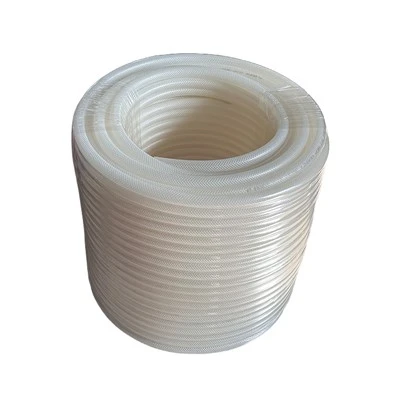

Hey there! As a flat PVC hose supplier, I've seen my fair share of hoses getting damaged by sharp objects. It's no fun having a hose that gets punctured or torn, especially when you rely on it for various tasks. So, I thought I'd share some tips on how to protect your flat PVC hose from those pesky sharp things.
Understand the Risks
First off, it's important to know where the risks lie. Sharp objects can come in all shapes and sizes. You've got things like nails, broken glass, sharp rocks, and even the edges of some tools. These can easily pierce through the thin wall of a flat PVC hose. If you're using the hose in a construction area, a garden with lots of debris, or an industrial setting, you're more likely to encounter these hazards.
Use Protective Covers
One of the easiest ways to shield your flat PVC hose is by using protective covers. There are several types available in the market. For instance, some are made of heavy - duty rubber. These rubber covers act as a buffer between the hose and any sharp objects. They're flexible enough to bend with the hose as you move it around, and they've got a good amount of thickness to withstand impact from sharp edges.
Another option is mesh sleeves. Mesh sleeves are great because they're breathable, which means the hose can't get overheated. They also allow you to see the hose underneath, so you can quickly spot any signs of damage. You can easily slide these sleeves over the hose, and they'll stay in place without causing too much bulk.
Plan the Route
When you're laying out your flat PVC hose, take a few minutes to plan its route. Look for areas with sharp objects and try to avoid them. For example, if you're using the hose in a garden, move large rocks or branches out of the way before you start. In a workshop, keep the hose away from any tools with sharp edges.

If you can't avoid an area with sharp objects completely, you can use routing guides. These are small devices that help you keep the hose in a specific path. You can attach them to walls or the floor, and they'll prevent the hose from rubbing against sharp corners or edges.
Storage Matters
How you store your flat PVC hose also plays a big role in protecting it from sharp objects. When not in use, make sure to coil the hose neatly. Avoid tossing it in a pile where it could get tangled with other items, like gardening tools or construction equipment. You can use a hose reel for easy and safe storage.
Find a storage area that's clean and free of sharp objects. A shed or a garage is usually a good choice. If you have to store the hose outside, cover it with a tarp to protect it from any falling debris or sharp twigs.
Select the Right Hose for the Job
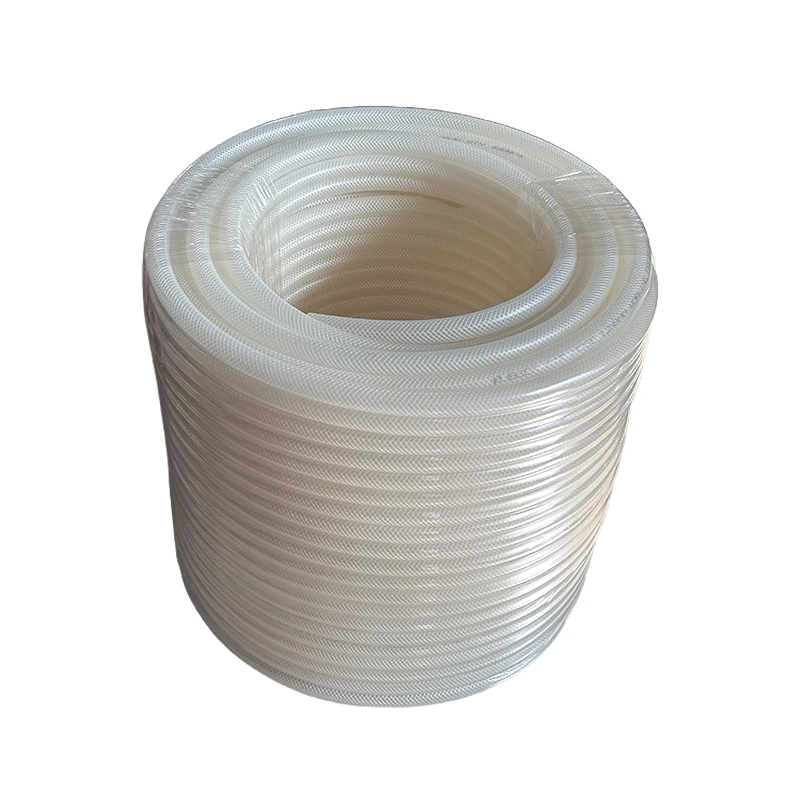
Not all flat PVC hoses are created equal. If you know you're going to be working in an environment with a high risk of sharp objects, choose a hose that's more durable. Our High Pressure Braided PVC Tubing is a great option. The braided design adds an extra layer of strength, making it more resistant to punctures.
If you need a hose for a more general - purpose use, like watering your plants, our Flexible PVC Irrigation Pipe is a good choice. It's flexible enough to move around easily, but still has enough thickness to withstand minor abrasions.
Regular Inspections
Make it a habit to inspect your flat PVC hose regularly. Look for any signs of cuts, scratches, or weak points. If you catch a problem early, you might be able to repair it before it gets worse. You can use a simple repair kit to patch up small holes or tears.
When inspecting the hose, pay special attention to areas where it bends or where it connects to other fittings. These are the places where the hose is under more stress and is more likely to get damaged.
Training and Awareness
If you're using the hose in a workplace or a shared environment, make sure everyone knows how to handle it properly. Provide training on how to avoid sharp objects and how to store the hose correctly. Encourage your team members to report any potential hazards they see.
By creating awareness, you can prevent a lot of unnecessary damage to the hoses. It's a simple step, but it can make a big difference in the long run.
Additional Accessories
There are also some accessories that can help protect your flat PVC hose. For example, you can use hose guards at the connections. These guards prevent the hose from getting pinched or damaged where it attaches to a faucet or other equipment.
Another useful accessory is a hose protector strip. You can attach these strips along the length of the hose. They're made of a tough material that can absorb the impact of sharp objects.
Conclusion
Protecting your flat PVC hose from sharp objects isn't rocket science. With a little bit of planning, the right equipment, and some regular maintenance, you can keep your hose in good shape for a long time. Whether you're using it for irrigation, industrial applications, or just around the house, these tips can help you get the most out of your investment.
If you're in the market for a new flat PVC hose or need more information on how to protect them, we're here to help. We offer a wide range of high - quality hoses, including Hose Pipe Transparent, Single Layer PVC Pipe, and Food Safe PVC Tubing. Feel free to reach out to us to discuss your specific needs and start a procurement conversation.
References
- "PVC Hose Handbook": A guide on the properties and maintenance of PVC hoses.
- Industry best practices for hose protection from various trade magazines.