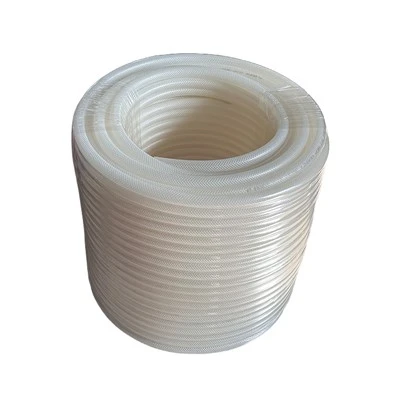

Hey there! As a supplier of Flexible Air Hose, I get asked a ton of questions about these hoses, and one that pops up quite often is, "Does a flexible air hose need any lubrication?" It's a great question, and today, I'm gonna dive deep into this topic to give you all the answers you need.
First off, let's understand what a flexible air hose is. It's a type of hose designed to carry compressed air from one place to another. You can find these hoses in all sorts of industries, from construction sites to automotive repair shops. They're pretty handy because they can bend and twist without kinking, which makes them super versatile.
Now, when it comes to lubrication, it's not a one - size - fits - all answer. There are a few factors to consider.
Factors Affecting the Need for Lubrication
1. Hose Material
Different materials have different requirements. For example, if your flexible air hose is made of rubber, it might be less likely to need lubrication. Rubber has a natural level of flexibility and resilience. It can move and stretch without getting stuck easily. But on the other hand, if the hose is made of a more rigid plastic or a composite material, it might benefit from some lubrication. A bit of lube can help these materials slide and flex more smoothly, reducing the risk of friction - related wear and tear.
2. Operating Conditions
The environment in which the hose operates plays a huge role. If the hose is used in a high - pressure application, like in a High Pressure Pneumatic Hose system, the pressure can put a lot of stress on the hose. This stress can cause the inner walls of the hose to rub against each other. Lubrication can act as a buffer, minimizing this friction.
Similarly, if the hose is exposed to extreme temperatures, either hot or cold, it can affect its flexibility. In cold temperatures, some materials can become brittle. A little lubrication can help keep the hose pliable. In hot conditions, the lubricant can prevent the material from over - softening and potentially deforming.
3. Frequency of Use
How often you use the hose matters too. If it's used constantly, like in a busy manufacturing plant, it's going through a lot of movement. This repeated bending, twisting, and stretching can wear out the hose faster. Lubrication can slow down this process by reducing the friction between the various parts of the hose. On the contrary, if the hose is used only occasionally, it might not need lubrication as frequently.
Types of Lubricants for Flexible Air Hoses
If you've determined that your flexible air hose needs lubrication, you need to choose the right type of lubricant.
1. Silicone - Based Lubricants
Silicone lubricants are a popular choice. They're great because they have a wide temperature range, which means they can work well in both hot and cold conditions. They also provide a good level of lubrication without leaving a sticky residue. This makes them ideal for hoses that are used in clean environments or where the air being transported needs to be free of contaminants.
2. Petroleum - Based Lubricants
Petroleum - based lubricants are another option. They're generally more affordable and offer good lubrication properties. However, they might not be suitable for all types of hoses. Some rubber hoses can react with petroleum - based lubricants, causing the rubber to swell or degrade over time. So, you need to be careful when using them.
3. Synthetic Lubricants
Synthetic lubricants are designed to offer high - performance lubrication. They can withstand extreme pressures and temperatures better than many other types of lubricants. They're also less likely to break down over time, which means they can provide long - lasting protection for your hose.
How to Lubricate a Flexible Air Hose
If you've decided to lubricate your hose, here's a simple process to follow.
First, make sure the hose is clean. Remove any dirt, debris, or old lubricant from the inner and outer surfaces of the hose. You can use a mild detergent and water to clean it, and then let it dry completely.
Next, choose the appropriate lubricant. Apply a small amount of the lubricant to a clean cloth or a brush. Then, gently rub the lubricant onto the inner and outer surfaces of the hose. Be careful not to use too much lubricant, as it can attract more dirt and debris.
After applying the lubricant, let the hose sit for a few minutes to allow the lubricant to soak in. Then, you can start using the hose as normal.
Benefits of Lubricating a Flexible Air Hose
Lubricating your flexible air hose can bring several benefits.


1. Extended Lifespan
As I mentioned earlier, lubrication reduces friction. By reducing friction, you're minimizing the wear and tear on the hose. This means the hose will last longer, saving you money in the long run. You won't have to replace the hose as frequently, which is a big plus, especially if you're using it in a professional setting.
2. Improved Performance
A well - lubricated hose can move and flex more easily. This means it can deliver air more efficiently. In a pneumatic system, better airflow can lead to improved equipment performance. For example, in an air - powered tool, a lubricated hose can ensure that the tool operates at its optimal level.
3. Reduced Maintenance
When a hose is lubricated, it's less likely to develop problems like kinks or blockages. This reduces the amount of maintenance you need to do. You won't have to spend as much time troubleshooting and fixing issues with the hose.
When Lubrication Isn't Needed
There are also situations where lubrication might not be necessary. If you're using a high - quality Reinforced Air Hose, it's designed to be durable and flexible without the need for additional lubrication. These hoses are often made with materials that have built - in properties to resist friction and wear.
Similarly, if the hose is used in a clean, low - stress environment and is used infrequently, lubrication might be overkill. In these cases, simply inspecting the hose regularly for any signs of damage and cleaning it when necessary should be sufficient.
Other Related Hoses
While we're on the topic of hoses, I also want to mention some other types of hoses we offer. We have Matte - Finish Water Hose and Frosted - Finish Water Hose. These hoses are great for applications where you need to transport water. They have unique finishes that can offer different benefits, like better grip or a more aesthetically pleasing look.
In conclusion, whether a flexible air hose needs lubrication depends on a variety of factors. It's important to evaluate the hose material, operating conditions, and frequency of use. If used correctly, lubrication can extend the life of your hose and improve its performance.
If you're in the market for a flexible air hose or any of our other hoses, and you have more questions or want to discuss a potential purchase, don't hesitate to reach out. We're here to help you find the right hose for your needs and guide you on any maintenance, including lubrication.
References:
- Industry standards and guidelines for air hoses
- Manufacturer's specifications for different types of hoses
- Technical literature on hose materials and lubricants