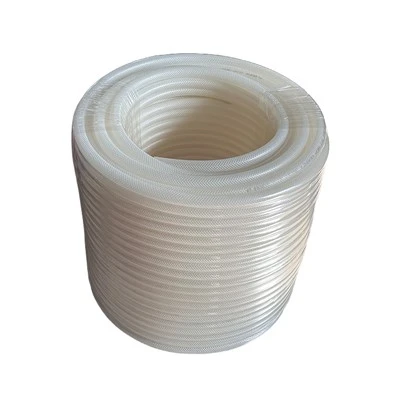

As a seasoned supplier of TPE Medical Tubing, I've encountered numerous inquiries regarding the temperature range for its normal use. Understanding this aspect is crucial as it directly impacts the performance, durability, and safety of medical applications where these tubes are utilized. In this blog post, I'll delve into the optimal temperature parameters for TPE Medical Tubing, backed by industry knowledge and practical experience.
Understanding TPE in Medical Tubing
Thermoplastic Elastomers (TPEs) have become increasingly popular in the medical field due to their unique combination of properties. They possess the flexibility of rubber and the processability of plastics, making them ideal for a wide range of medical tubing applications. TPEs are biocompatible, latex - free, and can be easily sterilized, which are essential qualities for medical use.
The Ideal Temperature Range
The normal temperature range for the use of TPE Medical Tubing typically falls between - 40°C and 100°C. This range is not arbitrary; it is based on the physical and chemical properties of TPE materials.
Lower Temperature Limit (- 40°C)
At temperatures approaching - 40°C, TPEs begin to lose their flexibility. The material becomes stiffer, and its impact resistance decreases. In medical applications, this can be a significant issue. For example, in cryogenic medical procedures or in cold storage of medical samples transported through TPE tubing, the tubes need to maintain their integrity. If the temperature drops below - 40°C, there is a risk of the tubing cracking or becoming brittle. This would not only compromise the function of the tube but also pose a potential safety hazard, such as leakage of fluids or contamination.
Upper Temperature Limit (100°C)
On the other end of the spectrum, 100°C is a critical threshold. As the temperature rises towards this value, TPE materials start to soften. If exposed to temperatures above 100°C for an extended period, the TPE Medical Tubing may deform. Deformation can lead to changes in the inner diameter of the tube, affecting the flow rate of fluids. In medical settings, precise fluid flow control is often essential, such as in intravenous (IV) therapy or drug delivery systems. Over - heating can also cause the material to release harmful substances, especially if the TPE has additives. This is a serious concern as it can potentially harm patients.
Factors Affecting the Temperature Range
Several factors can influence the actual temperature range within which TPE Medical Tubing can be safely used:
Additives and Formulations
TPE materials can be formulated with various additives to enhance specific properties. For example, some additives can improve the heat resistance of the TPE, allowing the tubing to withstand higher temperatures. On the other hand, additives that enhance flexibility at low temperatures may reduce the overall heat resistance. Our company offers a variety of TPE Medical Tubing formulations, each tailored to meet different temperature and performance requirements.
Duration of Exposure
The length of time the tubing is exposed to a particular temperature also matters. Short - term exposure to temperatures slightly outside the normal range may not cause significant damage. However, prolonged exposure can lead to material degradation. For instance, a brief exposure to 105°C may not have a lasting effect on the tubing, but continuous exposure at this temperature can cause irreversible damage.
Environmental Conditions
The presence of chemicals, radiation, or mechanical stress can interact with temperature and affect the performance of TPE Medical Tubing. For example, some chemicals can accelerate the degradation of TPE materials at elevated temperatures. In a hospital environment, tubing may be exposed to disinfectants, which can have a corrosive effect on the TPE, especially if the temperature is also high.
Real - World Applications
To better illustrate the importance of the temperature range, let's look at some common medical applications:
IV Therapy
In IV therapy, TPE Medical Tubing is used to deliver fluids and medications to patients. The tubing needs to operate at body temperature (around 37°C), which is well within the normal temperature range. However, if the IV fluids are stored in a cold environment and are not properly warmed up before administration, the cold fluid can cause the tubing to become stiffer, potentially affecting the flow rate.


Dialysis
Dialysis machines use TPE tubing to transport blood and dialysate. The temperature of the dialysate is closely regulated, usually around body temperature. But in case of a malfunction in the temperature control system, if the temperature of the fluid exceeds 100°C, the tubing can deform, leading to a disruption in the dialysis process and endangering the patient's life.
Related TPE Tubing Products
We also offer a range of related products, each with its own temperature - related considerations:
- TPE Hose: These hoses are used in various industrial and medical applications. They generally have a similar temperature range to TPE Medical Tubing but may have different performance characteristics depending on their intended use.
- TPE Sand - Reinforced Hose: The sand - reinforcement can improve the mechanical strength of the hose. This may also have an impact on its temperature resistance, allowing it to better withstand mechanical stress at different temperatures.
- Thermoplastic Elastomer Hose: This type of hose is a general - purpose TPE product. It can be used in a variety of settings, and its temperature range is designed to meet a wide range of application requirements.
- TPE Water Hose: In medical applications, TPE water hoses are used for transporting water - based fluids. They need to maintain their integrity at different temperatures, especially when used in sterilization processes where high temperatures are involved.
Ensuring Quality and Safety
As a TPE Medical Tubing supplier, we are committed to ensuring the quality and safety of our products. We conduct rigorous testing on our tubing to ensure that it meets the specified temperature range requirements. Our quality control measures include temperature cycling tests, where the tubing is exposed to different temperatures over a period of time to simulate real - world conditions.
Conclusion and Call to Action
Understanding the temperature range for the normal use of TPE Medical Tubing is essential for both medical device manufacturers and healthcare providers. By adhering to the appropriate temperature parameters, you can ensure the reliability, safety, and performance of medical applications.
If you are in the market for high - quality TPE Medical Tubing or have any questions about temperature ranges and product suitability, we encourage you to reach out to us. Our team of experts is ready to assist you in selecting the right product for your specific needs. We look forward to discussing potential purchasing opportunities and partnerships with you.
References
- "Handbook of Thermoplastic Elastomers", Smith, J., Wiley Publications, 2018
- "Medical Tubing Materials and Applications", Johnson, A., Medical Press, 2020