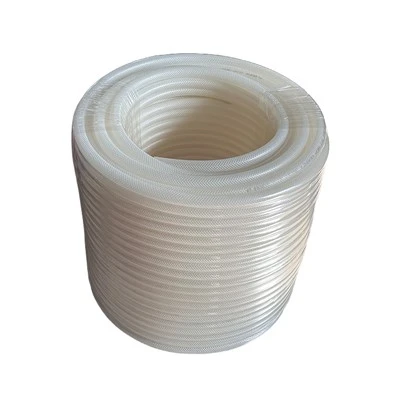

In the automotive industry, the selection of materials for various components is a critical decision that impacts performance, durability, and safety. One material that has been gaining attention in recent years is Thermoplastic Elastomer (TPE), and specifically, TPE hoses. As a TPE hose supplier, I am often asked whether TPE hoses can be used in automotive applications. In this blog post, I will explore this question in detail, examining the properties of TPE hoses, their potential applications in the automotive sector, and the advantages they offer.
Properties of TPE Hoses
TPE is a class of polymers that combine the characteristics of thermoplastics and elastomers. This unique combination gives TPE hoses several desirable properties that make them suitable for a wide range of applications, including automotive use.
- Flexibility: TPE hoses are highly flexible, which allows them to be easily routed through tight spaces in automotive engines and other components. This flexibility also helps to reduce stress on the hoses, extending their lifespan and reducing the risk of failure.
- Chemical Resistance: TPE hoses exhibit excellent resistance to a variety of chemicals, including fuels, oils, and coolants. This makes them ideal for use in automotive applications where they may come into contact with these substances.
- Temperature Resistance: TPE hoses can withstand a wide range of temperatures, from extreme cold to high heat. This property is crucial in automotive applications, where hoses may be exposed to varying temperature conditions.
- Lightweight: Compared to traditional rubber hoses, TPE hoses are lightweight, which can help to reduce the overall weight of the vehicle. This, in turn, can improve fuel efficiency and performance.
- Easy Processing: TPE hoses can be easily processed using standard thermoplastic processing techniques, such as injection molding and extrusion. This makes them cost-effective to manufacture and allows for the production of complex shapes and designs.
Potential Applications of TPE Hoses in the Automotive Industry
The unique properties of TPE hoses make them suitable for a variety of automotive applications. Some of the potential uses of TPE hoses in the automotive industry include:
- Fuel Systems: TPE hoses can be used in fuel systems to transport gasoline, diesel, and other fuels. Their chemical resistance and flexibility make them an ideal choice for this application, as they can withstand the harsh conditions of the fuel system and be easily routed through the engine compartment.
- Cooling Systems: TPE hoses can also be used in cooling systems to transport coolant from the radiator to the engine. Their temperature resistance and flexibility make them suitable for this application, as they can withstand the high temperatures of the engine and be easily bent and routed around other components.
- Air Intake Systems: TPE hoses can be used in air intake systems to transport air from the air filter to the engine. Their flexibility and lightweight make them an ideal choice for this application, as they can be easily routed through the engine compartment and reduce the overall weight of the vehicle.
- Brake Systems: TPE hoses can be used in brake systems to transport brake fluid from the master cylinder to the brakes. Their chemical resistance and flexibility make them suitable for this application, as they can withstand the high pressures and harsh conditions of the brake system.
- HVAC Systems: TPE hoses can be used in heating, ventilation, and air conditioning (HVAC) systems to transport refrigerant and other fluids. Their temperature resistance and flexibility make them an ideal choice for this application, as they can withstand the varying temperature and pressure conditions of the HVAC system.
Advantages of Using TPE Hoses in Automotive Applications
There are several advantages to using TPE hoses in automotive applications. Some of the key benefits include:


- Improved Performance: TPE hoses offer better performance than traditional rubber hoses in terms of flexibility, chemical resistance, and temperature resistance. This can help to improve the overall performance of the vehicle and reduce the risk of component failure.
- Increased Durability: TPE hoses are more durable than traditional rubber hoses, which means they can withstand the harsh conditions of the automotive environment for longer periods of time. This can help to reduce maintenance costs and downtime.
- Enhanced Safety: TPE hoses are designed to meet strict safety standards, which means they can help to improve the safety of the vehicle and its occupants. Their chemical resistance and flexibility also help to reduce the risk of leaks and other failures that could lead to safety hazards.
- Cost Savings: TPE hoses are cost-effective to manufacture and can help to reduce the overall cost of the vehicle. Their lightweight also helps to improve fuel efficiency, which can lead to additional cost savings over the life of the vehicle.
- Environmental Friendliness: TPE hoses are recyclable and can be reused, which makes them an environmentally friendly choice for automotive applications. This can help to reduce the environmental impact of the automotive industry and contribute to a more sustainable future.
Conclusion
In conclusion, TPE hoses can be used in a variety of automotive applications, thanks to their unique properties and advantages. As a TPE hose supplier, I am confident in the quality and performance of our products and believe that they offer a viable alternative to traditional rubber hoses in the automotive industry.
If you are interested in learning more about our TPE Hose products or would like to discuss your specific automotive application requirements, please do not hesitate to contact us. Our team of experts is available to provide you with detailed information and guidance to help you make the right choice for your needs.
References
- "Thermoplastic Elastomers: A Comprehensive Review." Polymer Reviews, 2019.
- "Automotive Hoses: Materials, Design, and Applications." SAE International, 2020.
- "The Future of Automotive Hoses: Trends and Innovations." Automotive Engineering International, 2021.