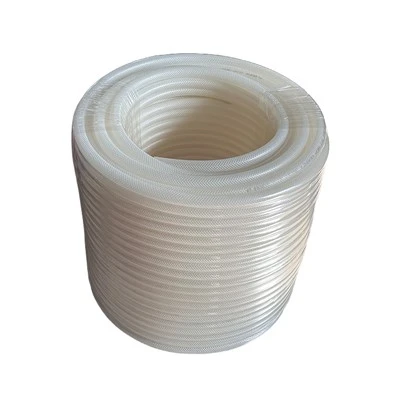

As a supplier of Reinforced Air Hoses, I've witnessed firsthand the importance of understanding which chemicals can damage these essential components. Reinforced air hoses are widely used in various industries, from automotive to manufacturing, for their durability and flexibility. However, certain chemicals can pose a significant threat to their integrity and performance. In this blog, I'll delve into the types of chemicals that can harm reinforced air hoses, the mechanisms behind the damage, and how to mitigate these risks.
Types of Chemicals That Can Damage Reinforced Air Hoses
Solvents
Solvents are one of the most common culprits when it comes to hose damage. These chemicals have the ability to dissolve or swell the materials used in the construction of reinforced air hoses. For example, organic solvents such as acetone, toluene, and xylene are known to have a detrimental effect on rubber-based hoses. When exposed to these solvents, the rubber can become soft, lose its flexibility, and eventually crack or break down. This not only reduces the hose's ability to withstand pressure but also increases the risk of leaks and failures.
Acids and Bases
Both acids and bases can be extremely corrosive to reinforced air hoses. Strong acids like sulfuric acid and hydrochloric acid can react with the materials in the hose, causing them to degrade over time. Similarly, strong bases such as sodium hydroxide can also damage the hose by attacking the polymer structure. The damage caused by acids and bases can manifest as discoloration, embrittlement, and loss of strength. In severe cases, the hose may even rupture, leading to dangerous situations.
Oxidizing Agents
Oxidizing agents are chemicals that have the ability to remove electrons from other substances. Common oxidizing agents include hydrogen peroxide, chlorine, and ozone. These agents can cause oxidation of the rubber or plastic components in the reinforced air hose, leading to hardening, cracking, and loss of elasticity. Oxidation can also weaken the reinforcement layers, making the hose more susceptible to bursting under pressure.
Petroleum Products
Petroleum products such as gasoline, diesel fuel, and lubricating oils can also have a negative impact on reinforced air hoses. These products can cause swelling, softening, and degradation of the hose materials, especially if they are in contact with the hose for an extended period. The swelling can lead to a loss of dimensional stability, which can affect the hose's ability to fit properly and function effectively.


Mechanisms of Chemical Damage
Swelling
When a reinforced air hose comes into contact with a compatible solvent or petroleum product, the molecules of the chemical can penetrate the hose material and cause it to swell. This swelling can disrupt the internal structure of the hose, leading to a decrease in its strength and flexibility. In some cases, the swelling can also cause the hose to expand beyond its design limits, resulting in leaks or failures.
Chemical Reaction
Chemicals such as acids, bases, and oxidizing agents can react with the materials in the reinforced air hose to form new compounds. These reactions can be exothermic, meaning they release heat, which can further damage the hose. The chemical reactions can also cause changes in the physical and chemical properties of the hose, such as discoloration, embrittlement, and loss of adhesion between the different layers.
Oxidation
Oxidizing agents can cause oxidation of the rubber or plastic components in the reinforced air hose. Oxidation is a process in which oxygen reacts with the material, leading to the formation of free radicals. These free radicals can cause further damage to the material by breaking down the polymer chains. Over time, the oxidation can lead to hardening, cracking, and loss of elasticity in the hose.
Mitigating the Risks of Chemical Damage
Material Selection
One of the most effective ways to mitigate the risks of chemical damage is to select the right materials for the reinforced air hose. Different materials have different chemical resistances, so it's important to choose a hose that is compatible with the chemicals it will be exposed to. For example, if the hose will be used in contact with petroleum products, a hose made of a fuel-resistant material such as nitrile rubber may be a good choice. If the hose will be exposed to acids or bases, a hose made of a chemically resistant material such as polyvinyl chloride (PVC) or fluoropolymer may be more suitable.
Protective Coatings
Applying a protective coating to the outside of the reinforced air hose can help to prevent chemical damage. These coatings can act as a barrier between the hose and the chemicals, reducing the chances of the chemicals coming into contact with the hose material. There are many different types of protective coatings available, including epoxy coatings, polyurethane coatings, and fluoropolymer coatings.
Proper Storage and Handling
Proper storage and handling of reinforced air hoses can also help to prevent chemical damage. Hoses should be stored in a cool, dry place away from direct sunlight and sources of heat. They should also be kept away from chemicals and other substances that could potentially damage them. When handling hoses, it's important to avoid sharp objects and rough surfaces that could cause cuts or abrasions.
Regular Inspection and Maintenance
Regular inspection and maintenance of reinforced air hoses is essential to ensure their continued performance and safety. Hoses should be inspected regularly for signs of damage, such as cracks, leaks, or discoloration. Any damaged hoses should be replaced immediately to prevent further problems. It's also important to follow the manufacturer's recommendations for maintenance, such as cleaning and lubrication.
Conclusion
In conclusion, understanding which chemicals can damage reinforced air hoses is crucial for ensuring their long-term performance and safety. Solvents, acids, bases, oxidizing agents, and petroleum products are all common chemicals that can pose a threat to the integrity of these hoses. By understanding the mechanisms of chemical damage and taking appropriate measures to mitigate the risks, such as material selection, protective coatings, proper storage and handling, and regular inspection and maintenance, you can extend the lifespan of your reinforced air hoses and reduce the risk of costly failures.
If you're in the market for high-quality Reinforced Air Hoses, Flexible Air Hoses, Frosted-Finish Water Hoses, Burst Resistant Rubber-Plastic Hoses, or Rubber-Plastic Garden Hoses, we're here to help. Our hoses are designed and manufactured to meet the highest standards of quality and performance, and we offer a wide range of options to suit your specific needs. Contact us today to discuss your requirements and explore how our products can enhance your operations.
References
- ASTM International. (2022). Standard test methods for rubber property - resistance to liquids.
- DuPont. (2021). Chemical compatibility guide for fluoropolymer products.
- Parker Hannifin Corporation. (2020). Hose selection handbook.