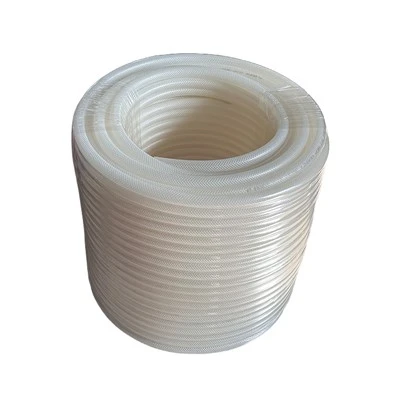

When it comes to flexible PVC vent pipes, selecting the appropriate connection method is crucial for ensuring optimal performance, durability, and safety in various applications. As a leading supplier of Flexible PVC Vent Pipe, I understand the significance of making informed decisions when it comes to connecting these pipes. In this blog post, I will guide you through the process of choosing the right connection method based on different situations, taking into account factors such as the type of application, environmental conditions, and system requirements.
Understanding Different Connection Methods
There are several common connection methods available for flexible PVC vent pipes, each with its own advantages and limitations. Familiarizing yourself with these methods will help you make an informed decision based on your specific needs.
1. Slip-Fit Connections
Slip-fit connections are one of the most straightforward and commonly used methods for joining flexible PVC vent pipes. This method involves sliding the pipe into a compatible fitting, which typically has a slightly larger diameter to accommodate the pipe. A rubber gasket or sealant may be used to create a watertight and airtight seal between the pipe and the fitting.
Advantages:
- Easy to install, requiring minimal tools and technical skills.
- Cost-effective compared to other connection methods.
- Allows for some flexibility and movement in the piping system, which can help absorb vibrations and reduce stress on the joints.
Limitations:
- Not suitable for high-pressure applications or situations where a secure, permanent connection is required.
- May require periodic inspection and maintenance to ensure the integrity of the seal.
2. Solvent Weld Connections
Solvent weld connections involve using a chemical solvent to soften the surfaces of the pipe and fitting, allowing them to fuse together when joined. This creates a strong, permanent bond that is resistant to leaks and pressure.
Advantages:
- Provides a strong and reliable connection that is suitable for high-pressure applications.
- Resistant to chemicals, UV radiation, and other environmental factors, ensuring long-term durability.
- Eliminates the need for additional sealing materials, such as gaskets or tapes.
Limitations:
- Requires careful preparation of the pipe and fitting surfaces, including cleaning and deburring, to ensure a proper bond.
- Installation requires the use of specialized solvent welding equipment and techniques, which may require some training and experience.
- The solvent used in the welding process can be hazardous if not handled properly, requiring appropriate safety precautions.
3. Compression Fittings
Compression fittings use a mechanical mechanism to secure the pipe to the fitting by compressing a gasket or O-ring between the two surfaces. This creates a tight seal that is resistant to leaks and pressure.
Advantages:
- Easy to install, requiring only basic tools and minimal technical skills.
- Can be disassembled and reused if necessary, making them suitable for applications where frequent maintenance or modifications are required.
- Provide a reliable connection that is suitable for a wide range of applications, including both low and high-pressure systems.
Limitations:
- May require periodic tightening to maintain the integrity of the seal, especially in applications where there is vibration or movement.
- The compression fitting may add some bulk to the piping system, which can be a consideration in tight spaces.
4. Threaded Connections
Threaded connections involve using threaded fittings to join the pipes together. The pipe is typically threaded at the end, and the fitting has corresponding threads that allow it to be screwed onto the pipe. A thread sealant may be used to create a watertight and airtight seal between the threads.
Advantages:
- Provide a strong and secure connection that is suitable for high-pressure applications.
- Easy to install and disassemble, making them suitable for applications where frequent maintenance or modifications are required.
- Can be used with a variety of pipe materials and sizes, providing flexibility in system design.
Limitations:
- Requires the use of threaded pipes and fittings, which may be more expensive and less readily available than other types of pipes and fittings.
- The threads can be damaged if not installed correctly, which can lead to leaks and other issues.
- Threaded connections may require additional support or reinforcement to prevent loosening or vibration.
Selecting the Appropriate Connection Method Based on Different Situations
The choice of connection method for flexible PVC vent pipes will depend on several factors, including the type of application, environmental conditions, and system requirements. Here are some guidelines to help you select the appropriate connection method based on different situations:
1. Residential Ventilation Systems
In residential ventilation systems, slip-fit connections are often the preferred choice due to their ease of installation and cost-effectiveness. These systems typically operate at low pressure and do not require a highly secure or permanent connection. Slip-fit connections can be used to connect flexible PVC vent pipes to exhaust fans, vents, and other components in the ventilation system.
However, if the ventilation system is located in an area where there is a risk of vibration or movement, such as near a mechanical equipment room or an exterior wall, compression fittings may be a better option. Compression fittings provide a more secure connection that can help prevent the pipes from coming loose or leaking due to vibration.
2. Commercial and Industrial Ventilation Systems
Commercial and industrial ventilation systems often require a more robust and reliable connection method due to the higher pressures and greater volumes of air being handled. Solvent weld connections are typically the preferred choice for these applications, as they provide a strong and permanent bond that is resistant to leaks and pressure.
Solvent weld connections are also suitable for applications where the pipes are exposed to harsh chemicals, UV radiation, or other environmental factors. The chemical resistance of the solvent weld joint ensures long-term durability and performance in these challenging environments.


In some cases, threaded connections may also be used in commercial and industrial ventilation systems, particularly in applications where the pipes need to be frequently disassembled and reassembled for maintenance or inspection purposes. Threaded connections provide a secure and easy-to-install connection that can be quickly disassembled and reinstalled when necessary.
3. Outdoor Irrigation Systems
Outdoor irrigation systems typically use flexible PVC pipes to distribute water to plants and landscapes. In these applications, slip-fit connections are commonly used due to their ease of installation and resistance to water. Slip-fit connections can be used to connect Flexible PVC Irrigation Pipe to sprinklers, drip emitters, and other irrigation components.
However, if the irrigation system is located in an area where there is a risk of freezing temperatures, solvent weld connections may be a better option. Solvent weld connections provide a more secure and leak-proof connection that can help prevent the pipes from bursting due to freezing water.
4. Plumbing Systems
In plumbing systems, flexible PVC pipes are often used for drainage and venting applications. Slip-fit connections are commonly used for these applications, as they provide a simple and cost-effective way to join the pipes together. Slip-fit connections can be used to connect Flexible PVC Water Line to drains, vents, and other plumbing fixtures.
However, if the plumbing system is located in an area where there is a risk of high pressure or vibration, compression fittings or solvent weld connections may be a better option. Compression fittings provide a more secure connection that can help prevent leaks and damage to the pipes, while solvent weld connections provide a strong and permanent bond that is resistant to pressure and vibration.
Conclusion
Selecting the appropriate connection method for flexible PVC vent pipes is essential for ensuring optimal performance, durability, and safety in various applications. By understanding the different connection methods available and considering factors such as the type of application, environmental conditions, and system requirements, you can make an informed decision that meets your specific needs.
As a trusted supplier of Flexible PVC Vent Pipe, I am committed to providing high-quality products and expert advice to help you choose the right connection method for your project. If you have any questions or need further assistance, please do not hesitate to contact me. I look forward to working with you to ensure the success of your project.
References
- ASME B31.9: Building Services Piping
- ASTM D2241: Standard Specification for Poly(Vinyl Chloride) (PVC) Plastic Drain, Waste, and Vent Pipe and Fittings
- CPC 1-2018: International Plumbing Code