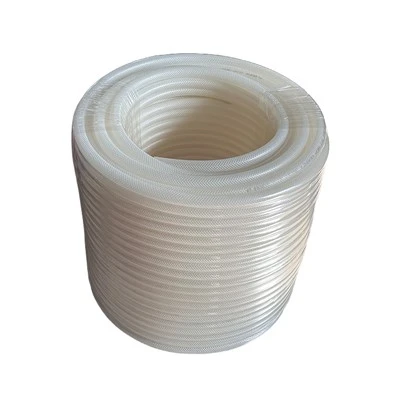

Hey there! I'm a supplier of TPE tubing, and I often get asked about the best way to cut TPE tubing. In this blog post, I'm going to share some tips and tricks I've gathered over the years to make your cutting process as smooth as possible.


First off, let me give you a bit of background on TPE tubing. TPE, or thermoplastic elastomer, is a pretty amazing material. It combines the rubber-like properties of elasticity and flexibility with the processability of thermoplastics. This makes TPE tubing super versatile, and it's used in a whole bunch of applications, from TPE Medical Tubing to TPE Hose and Thermoplastic Elastomer Hose. We also have TPE Sand-Reinforced Hose and TPE Water Hose, which are popular in different industrial and domestic settings.
Tools You'll Need
Before you start cutting, it's important to have the right tools. Here are some of the most common ones:
- Sharp Scissors or Shears: For smaller diameter TPE tubing, a pair of sharp scissors or shears can do the job. Make sure they're clean and sharp to get a nice, clean cut.
- Utility Knife: A utility knife is great for cutting larger diameter tubing. You can score the tubing first and then snap it to get a clean break. Just be careful not to cut yourself!
- Tube Cutter: If you're doing a lot of cutting, a tube cutter is a must-have. It gives you a precise and clean cut every time. You can find manual or electric tube cutters depending on your needs.
Preparing the Tubing
Once you've got your tools ready, it's time to prepare the tubing for cutting. Here's what you should do:
- Measure and Mark: Use a measuring tape or ruler to mark the length of tubing you need. You can use a marker or a piece of tape to make the mark. Make sure the mark is clear and easy to see.
- Secure the Tubing: To prevent the tubing from moving around while you're cutting, you can use a vise or clamp to hold it in place. Make sure the vise or clamp isn't too tight, as you don't want to damage the tubing.
Cutting Techniques
Now that you've prepared the tubing, it's time to start cutting. Here are some techniques you can use depending on the tool you're using:
- Using Scissors or Shears: If you're using scissors or shears, place the blades at the marked point on the tubing and apply gentle pressure. Cut slowly and steadily, making sure the blades are perpendicular to the tubing. If the tubing is a bit thick, you may need to make a few passes to get a clean cut.
- Using a Utility Knife: With a utility knife, start by scoring the tubing at the marked point. Apply light pressure and run the blade around the circumference of the tubing. Once you've made a groove, you can try to snap the tubing at the scored point. If it doesn't break easily, you may need to score it a bit deeper.
- Using a Tube Cutter: A tube cutter is the easiest and most precise way to cut TPE tubing. Place the tubing in the cutter and adjust the blade so that it's touching the tubing. Then, turn the cutter around the tubing, applying gentle pressure as you go. The blade will score and cut through the tubing in one smooth motion.
Tips for a Clean Cut
- Keep the Tools Clean: Dirt and debris on your cutting tools can make the cut messy. Make sure to clean your scissors, utility knife, or tube cutter before and after each use.
- Cut at a Steady Pace: Whether you're using scissors or a tube cutter, cutting at a steady pace will give you a cleaner cut. Avoid rushing or applying too much pressure, as this can cause the tubing to deform.
- Check the Blade: A dull blade can make the cutting process more difficult and result in a messy cut. If you notice that the blade is getting dull, replace it or sharpen it.
Post-Cutting Steps
After you've cut the tubing, there are a few things you should do to make sure it's ready for use:
- Smooth the Edges: Use a piece of sandpaper or a file to smooth the edges of the cut tubing. This will prevent any sharp edges from causing damage or injury.
- Remove Any Debris: Use a clean cloth or compressed air to remove any debris or shavings from the inside and outside of the tubing.
- Inspect the Cut: Check the cut to make sure it's clean and straight. If there are any rough spots or uneven edges, you may need to make some adjustments or recut the tubing.
Troubleshooting
Sometimes, things don't go as smoothly as we'd like. Here are some common problems you may encounter when cutting TPE tubing and how to fix them:
- Messy or Ragged Cut: If you're getting a messy or ragged cut, it could be because your tool is dull or dirty. Try cleaning or sharpening the blade and see if that improves the cut.
- Tubing Deforms While Cutting: If the tubing deforms while you're cutting, it could be because you're applying too much pressure. Try cutting at a slower pace and using less pressure.
- Difficulty Cutting Through the Tubing: If you're having difficulty cutting through the tubing, it could be because the tubing is too thick for the tool you're using. Try using a more powerful tool, such as a tube cutter.
Conclusion
So, there you have it! Cutting TPE tubing may seem tricky at first, but with the right tools and techniques, it can be a breeze. Whether you're working on a small DIY project or a large industrial application, following these tips will help you get a clean and precise cut every time.
If you're in the market for high-quality TPE tubing, don't hesitate to reach out. We have a wide range of TPE tubing products, including TPE Medical Tubing, TPE Hose, Thermoplastic Elastomer Hose, TPE Sand-Reinforced Hose, and TPE Water Hose. We'd love to discuss your specific needs and help you find the perfect tubing solution for your project.
References
- "Thermoplastic Elastomers: A Comprehensive Review" - Polymer Science Journal
- "Best Practices for Cutting Tubing Materials" - Manufacturing Technology Magazine