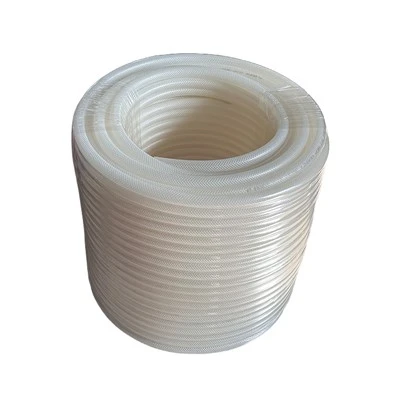

When it comes to agricultural irrigation, farmers and agricultural professionals are constantly on the lookout for reliable and efficient equipment. One such piece of equipment that has gained attention is the rubber-plastic water hose. As a supplier of high-quality Rubber-Plastic Water Hoses, I'm often asked whether these hoses can be effectively used for agricultural irrigation. In this blog post, I'll delve into the characteristics, advantages, limitations, and practical considerations of using rubber-plastic water hoses in agricultural settings.
Characteristics of Rubber-Plastic Water Hoses
Rubber-plastic water hoses are typically made by combining rubber and plastic materials. This hybrid construction offers a unique set of properties that make them suitable for various applications, including agricultural irrigation.
- Flexibility: One of the key advantages of rubber-plastic water hoses is their high flexibility. They can be easily bent, coiled, and maneuvered around obstacles in the field, making them convenient to use during installation and irrigation operations. This flexibility also allows for easy storage when not in use, as they can be neatly coiled up without causing damage.
- Durability: Rubber-plastic hoses are designed to withstand harsh environmental conditions, including exposure to sunlight, water, and chemicals commonly used in agriculture. They are resistant to abrasion, punctures, and tearing, ensuring a long service life even in rough agricultural terrains. This durability reduces the need for frequent replacements, saving both time and money in the long run.
- Lightweight: Compared to traditional rubber hoses, rubber-plastic water hoses are generally lighter in weight. This makes them easier to handle and transport, especially when covering large areas of farmland. Farmers can move the hoses around the field with less effort, increasing efficiency during irrigation.
- Good Water Flow: These hoses are engineered to provide a smooth and consistent water flow. Their interior surfaces are designed to minimize friction, allowing water to pass through easily and efficiently. This ensures that crops receive an adequate supply of water, promoting healthy growth.
Advantages of Using Rubber-Plastic Water Hoses for Agricultural Irrigation
Now that we understand the characteristics of rubber-plastic water hoses, let's explore the specific advantages they offer in the context of agricultural irrigation.
- Cost-Effectiveness: Rubber-plastic water hoses are often more affordable than other types of irrigation hoses, such as stainless steel or heavy-duty rubber hoses. This makes them an attractive option for farmers on a budget. Additionally, their long service life and low maintenance requirements further contribute to cost savings over time.
- Versatility: These hoses can be used for a variety of irrigation methods, including sprinkler irrigation, drip irrigation, and flood irrigation. They can be connected to different types of irrigation systems, such as pumps, valves, and sprinkler heads, providing farmers with flexibility in designing their irrigation setups.
- Easy Installation: Installing rubber-plastic water hoses is relatively straightforward. They can be easily connected to existing irrigation systems using standard fittings and connectors. This simplicity of installation reduces the time and labor required for setting up the irrigation system, allowing farmers to start irrigating their crops quickly.
- Resistance to Chemicals: Agricultural irrigation often involves the use of fertilizers, pesticides, and other chemicals. Rubber-plastic water hoses are resistant to many of these chemicals, ensuring that they do not degrade or contaminate the water supply. This makes them a safe and reliable choice for use in chemical-intensive agricultural practices.
Limitations of Rubber-Plastic Water Hoses
While rubber-plastic water hoses offer many advantages, it's important to be aware of their limitations as well.
- Temperature Sensitivity: Extreme temperatures can affect the performance of rubber-plastic water hoses. In very cold weather, the hoses may become stiff and brittle, increasing the risk of cracking or breaking. On the other hand, in hot weather, the hoses may expand and become more prone to kinking. Farmers need to take these temperature limitations into account when using rubber-plastic water hoses in different climates.
- Sunlight Degradation: Prolonged exposure to sunlight can cause the rubber and plastic materials in the hoses to degrade over time. This can lead to a loss of flexibility, strength, and durability. To mitigate this issue, farmers can choose hoses that are specifically designed to resist UV radiation or store the hoses in a shaded area when not in use.
- Pressure Ratings: Rubber-plastic water hoses have specific pressure ratings that need to be followed. If the water pressure exceeds the recommended limit, the hoses may burst or leak, causing water wastage and potential damage to the irrigation system. Farmers should ensure that the water pressure is within the acceptable range for the hoses they are using.
Practical Considerations for Using Rubber-Plastic Water Hoses in Agriculture
To ensure the effective and safe use of rubber-plastic water hoses in agricultural irrigation, farmers should consider the following practical tips.
- Proper Sizing: Selecting the right size of the hose is crucial for optimal water flow and pressure. The diameter of the hose should be based on the water requirements of the crops and the distance the water needs to travel. Using a hose that is too small may result in low water pressure, while a hose that is too large may lead to excessive water wastage.
- Regular Maintenance: Regular maintenance is essential to keep the rubber-plastic water hoses in good working condition. This includes inspecting the hoses for any signs of damage, such as cracks, leaks, or kinks, and repairing or replacing them as needed. Farmers should also clean the hoses periodically to remove any dirt, debris, or chemical residues that may accumulate inside.
- Storage: Proper storage of the hoses when not in use can extend their lifespan. The hoses should be coiled up neatly and stored in a cool, dry place away from direct sunlight and sharp objects. This helps prevent damage and degradation caused by environmental factors.
Our Product Range
As a leading supplier of Rubber-Plastic Water Hoses, we offer a wide range of products to meet the diverse needs of agricultural customers. Our product range includes:
- High Pressure Pneumatic Hose: Designed for applications that require high-pressure water delivery, this hose is built to withstand extreme conditions.
- Matte-Finish Water Hose: The matte finish provides a non-slip surface, making it easier to handle in wet conditions. It also offers excellent UV resistance.
- Frosted-Finish Water Hose: This hose has a frosted finish that not only looks aesthetically pleasing but also provides additional protection against sunlight degradation.
- Rubber-Plastic Garden Hose: Ideal for small-scale agricultural and gardening applications, this hose is lightweight and easy to use.
- Reinforced Air Hose: Reinforced with strong fibers, this hose offers enhanced durability and resistance to pressure.
Conclusion
In conclusion, rubber-plastic water hoses can be a viable option for agricultural irrigation. Their flexibility, durability, cost-effectiveness, and versatility make them suitable for a wide range of irrigation applications. However, farmers need to be aware of their limitations and take proper precautions to ensure their effective and safe use.


If you're interested in learning more about our Rubber-Plastic Water Hoses or would like to discuss your specific agricultural irrigation needs, please feel free to reach out to us. We're here to help you find the best solution for your farm.
References
- "Agricultural Irrigation Systems: Design and Management" by Larry R. Ahuja
- "Water Management in Agriculture" by David Molden